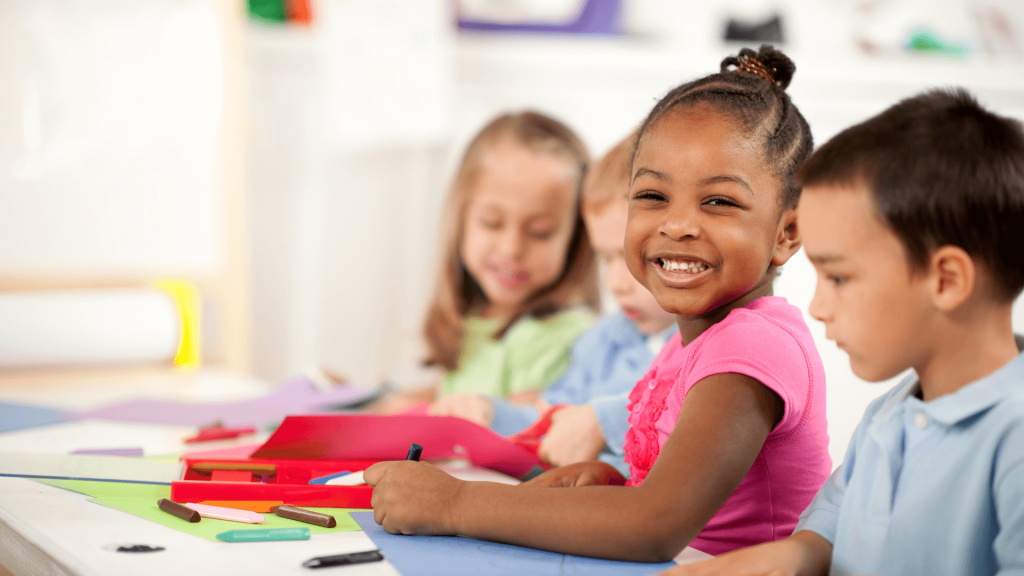
Starting kindergarten is a big milestone in your child’s life. It marks the beginning of formal education and often the first time your little one will experience a structured school environment. As exciting as this transition can be, it can also be a little overwhelming for both parents and children. The good news is that with some preparation and the right mindset, you can make this transition smoother for your child. Here are some tips to help prepare your child for kindergarten and set them up for success.
1. Establish a Consistent Routine
Kindergarten brings more structure than preschool or home environments. To help your child adjust, start setting a routine well before the school year begins. Gradually shift bedtime and wake-up times to align with the school schedule. This helps your child get used to the idea of waking up early and being ready for a day of learning.
Additionally, set specific times for meals, playtime, and other activities to teach your child about the structure of their upcoming school days. Consistency will provide comfort and a sense of security as your child prepares for kindergarten.
2. Visit the School Together
Familiarizing your child with their new school environment is one of the best ways to reduce any anxiety. If possible, arrange a visit to the school before the first day. Many schools offer “meet and greet” events or open houses where children can explore their classrooms, meet their teachers, and interact with other future classmates.
During the visit, point out important areas like the playground, the bathroom, the lunchroom, and the classroom. Talk about what to expect, and encourage your child to ask questions. The more familiar your child feels with their surroundings, the less overwhelming it will be on the first day.
3. Develop Social Skills
Kindergarten is a social environment, and your child will have many opportunities to interact with new peers. Helping your child develop strong social skills before school starts can make the transition easier. Encourage activities that involve sharing, taking turns, and interacting with other children.
Playdates with neighborhood friends or children from preschool can be great opportunities to practice these skills. Teach your child how to greet others, express their feelings, and work through conflicts in a calm and respectful manner. These interactions will help your child feel more comfortable and confident when meeting new friends at school.
4. Talk About What to Expect
It’s important to talk to your child about what kindergarten will be like. Help them understand that it will be fun, but there will also be moments when they need to listen and follow instructions. Talk about what a typical day might include, such as learning new things, playing with friends, taking naps, and enjoying snacks.
Answer any questions your child has, and validate any feelings of nervousness or excitement they may be experiencing. By talking openly, you can help your child feel more prepared and less anxious about what lies ahead.
5. Foster Independence
Kindergarten requires children to be more independent, especially when it comes to personal tasks. Encourage your child to practice skills like putting on and taking off their coat, using the bathroom independently, and opening their lunchbox. These small acts of independence help build confidence and will make your child feel more capable in the classroom.
Let your child take the lead in simple tasks at home, such as getting dressed or packing their backpack. The more independent your child feels, the more comfortable they will be navigating the school day without constant help.
6. Read Books About Kindergarten
There are many wonderful children’s books about starting kindergarten that can help your child understand what to expect. Reading these stories together can ease any fears your child may have. Books like “The Kissing Hand” by Audrey Penn or “Miss Bindergarten Gets Ready for Kindergarten” by Joseph Slate are great options that focus on the excitement and anticipation of school.
Books provide a safe space for your child to express any concerns and allow them to see that many children share the same feelings of excitement and nervousness.
7. Stay Positive and Supportive
Your attitude as a parent can greatly influence how your child feels about starting kindergarten. Stay positive, enthusiastic, and supportive throughout the process. If your child senses that you are excited, they will be more likely to mirror those feelings.
On the first day of school, offer reassurance and encouragement. Remind them that kindergarten is an exciting new adventure, and that you’ll be there to support them every step of the way.
Ending Thoughts
Preparing for kindergarten is an exciting time for both parents and children. By establishing a consistent routine, visiting the school, developing social skills, and fostering independence, you can help your child transition with confidence and enthusiasm. Talk openly about what to expect and provide plenty of positive reinforcement to make this experience a positive one. With your support, your child will be ready to embark on this exciting journey of learning and growth!